
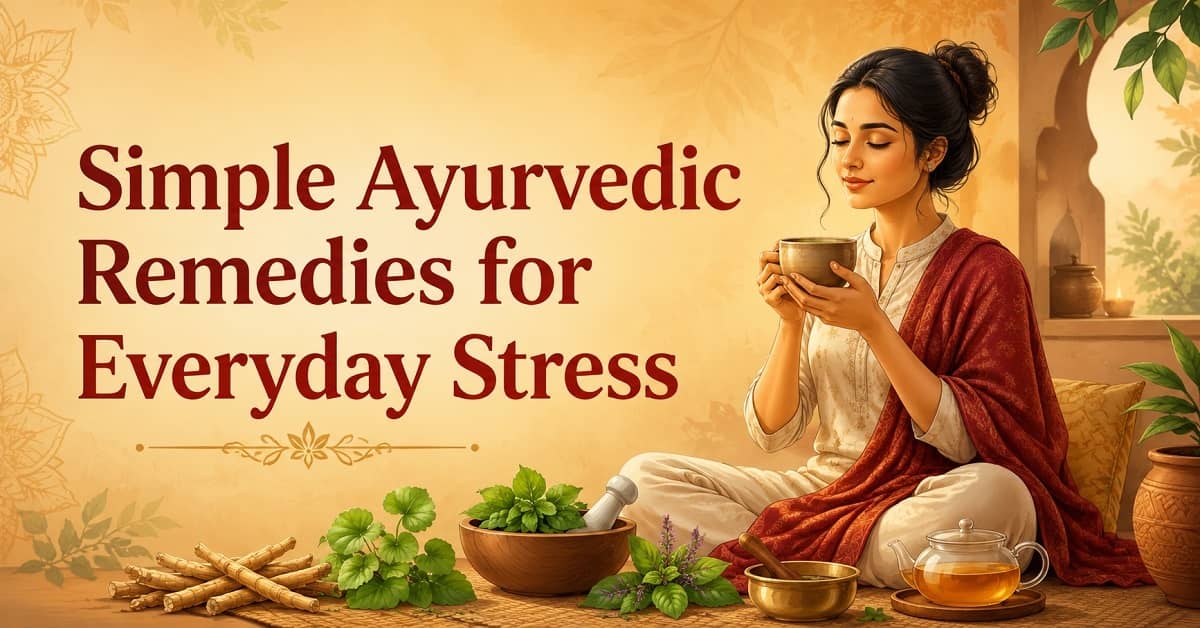
Stress can build up without much warning. A busy day, poor sleep, family concerns, or work pressure can leave the mind feeling tired. Ayurveda offers simple ways to care for daily wellbeing, from mindful breathing to better food habits. These steps may help people feel more settled. However, long lasting anxiety needs proper attention. Knowing when home care is enough and when to seek medical advice is an important part of staying healthy.
Why Mental Balance Matters in Everyday Life
Mental wellbeing affects how we think, sleep, work, and connect with others. A little stress is a normal part of life. The concern begins when worry stays for long periods or starts to affect daily tasks.
Ayurveda takes a broad view of health. It places value on daily routines, rest, food, and personal balance. These ideas can encourage people to slow down and notice their needs. Yet traditional practices should be judged with care. Scientific evidence for many Ayurvedic treatments remains limited, so claims of a cure should be treated with caution.
Simple Ayurvedic Habits for a Calmer Day
You do not need a complex routine to start caring for your wellbeing. Small steps are often easier to follow and fit into a normal day.
1. Start the Morning Without a Rush
Give yourself a few quiet minutes after waking up. Sit in a calm place, breathe at a natural pace, and think about the tasks ahead. You can also try gentle stretching if it feels comfortable. There is no need to follow a strict ritual. The aim is to begin the day with less pressure and a clearer mind.
2. Choose Food That Supports General Health
Fresh fruit, vegetables, whole grains, and sources of protein can help form a balanced diet. Drink water through the day and try to eat at regular times. Food alone cannot treat an anxiety disorder, but good eating habits support overall health. If you plan to use herbal powders or Ayurvedic supplements, ask a qualified health professional about their safety first.
3. Make Space for Rest and Movement
A short walk, gentle yoga, or a quiet break may help you manage daily stress. Choose an activity that suits your fitness level. Do not force yourself to keep going when you feel pain or unwell. Research suggests that some mind and body practices may ease anxiety symptoms, but evidence is not strong enough to treat them as a replacement for proven care.
Natural Does Not Always Mean Risk Free
Herbs and traditional remedies can seem harmless because they come from natural sources. That is not always true. Some products may cause side effects, interact with medicines, or contain unsafe substances. Certain Ayurvedic preparations have been found to contain toxic metals.
Before trying a supplement, check its ingredients and discuss it with a qualified health professional. Share details of any medicine you already take. Avoid products that promise instant relief or claim to cure every form of anxiety. A careful choice is more useful than a quick fix.
When Daily Stress Calls for Professional Help
A few tense days may improve with rest and a change in routine. But if fear, worry, or panic keeps returning, professional support may be needed. Signs to watch for include trouble sleeping, poor focus, avoiding normal activities, or feeling unable to manage everyday tasks.
A doctor or mental health professional can assess what is happening. Depending on your needs, care may include counselling, psychotherapy, medicine, or a combination of approaches. Asking for help is a practical step, not a sign of weakness.
Understanding Alprazolam and Its Safety Risks
Alprazolam is a prescription medicine in the benzodiazepine group. It may be prescribed for certain anxiety and panic disorders. It is not an Ayurvedic product and should not be used without medical supervision.
It can cause sleepiness and physical dependence. Misuse can lead to serious harm, especially when it is combined with alcohol, opioids, or other substances that slow the central nervous system. People who take alprazolam regularly should not stop it suddenly without guidance from their prescriber. Withdrawal can be severe and may require a planned reduction in dose.
How to Approach Online Medicine Searches
When looking for health information online, check who runs the website and whether its claims can be confirmed by reliable medical sources. A social profile or general web page does not prove that a medicine seller is licensed.
If you encounter the phrase Buy Alprazolam Online, treat the link as a search result, not as proof of a safe or approved pharmacy. Verify the seller through the relevant medicines regulator and ask a licensed pharmacist about lawful ways to obtain a prescribed medicine. Never take alprazolam based only on online advice.
Combining Traditional Wellness With Evidence Based Care
Traditional wellness habits may fit alongside modern medical care when they are safe and suitable for the individual. For example, a person receiving treatment for anxiety may also use gentle movement, regular sleep, and relaxation exercises as part of a daily routine.
The important step is to tell your healthcare provider about herbs, supplements, and other practices you use. This helps them check for possible risks and interactions. Do not stop prescribed treatment or replace it with an unproven remedy without discussing the change with your clinician.
Conclusion: Make Wellbeing a Daily Priority
A healthier routine starts with simple choices. Regular rest, balanced meals, gentle movement, and time to relax can support everyday wellbeing. Ayurveda may offer useful habits, but it cannot replace proper care for every health concern.
If anxiety affects your life, seek advice from a qualified professional. Check medical claims, use supplements with care, and make prescription medicine decisions with a licensed healthcare provider.