
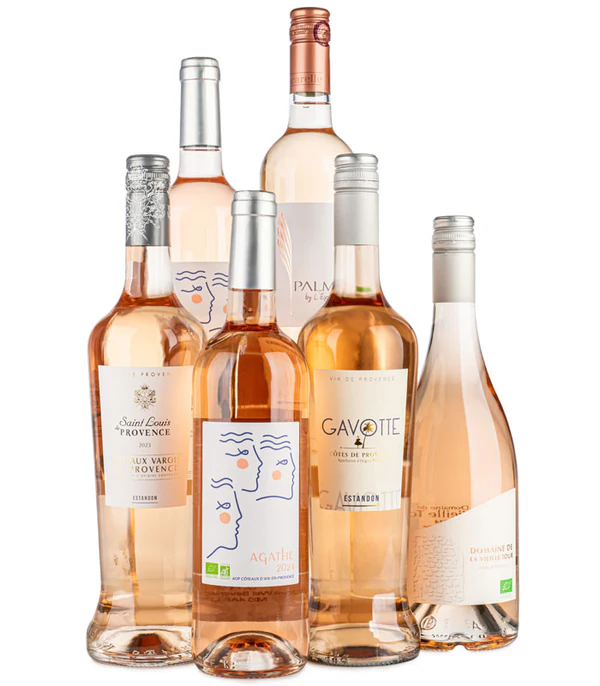
Most wine drinkers treat rosé as a one-size-fits-all summer wine, reaching for any bottle when the weather turns warm. This approach wastes the nuanced flavor profiles that different rosé styles offer. Understanding how rosé’s acidity, body, and flavor intensity interact with specific foods transforms casual sipping into deliberate pairing.
Understanding rosé’s flavor spectrum
Rosé wines span a remarkably wide range of styles, from bone-dry Provence classics to fruit-forward New World expressions. The key variables that affect food pairing are acidity level, residual sugar, body weight, and primary fruit character. Provence rosés typically show high acidity with subtle red fruit notes and mineral undertones. Spanish rosados often display more body and intensity. American rosés from cooler climates lean crisp and citrusy, while warmer regions produce rounder, more generous styles.
These distinctions matter because they determine which foods will harmonize rather than clash. A delicate Provence rosé gets overwhelmed by bold spices that would complement a fuller-bodied Spanish example.
Acidity acts as the primary bridge between rosé and food. High-acid rosés cut through rich dishes and refresh the palate between bites. Lower-acid styles need foods that won’t expose their softness as flabbiness. Body weight should generally match between wine and dish, though strategic contrasts can work when thoughtfully applied.
Classic Mediterranean pairings
The Mediterranean diet provides the template for rosé pairing success. Olive oil-based dishes, fresh herbs, tomatoes, seafood, and light proteins create natural harmony with rosé’s typical profile.
Tomato-based dishes work particularly well. The fruit’s natural acidity echoes the wine’s structure, while its umami depth provides satisfying contrast to rosé’s freshness. A simple pasta with fresh tomatoes, basil, and good olive oil makes an ideal match. When selecting wine for these occasions, Provence rosé delivered directly from quality producers ensures you’re getting authentic examples of this style.
Cheese pairings favor fresh, young varieties over aged ones. Goat cheese, mozzarella, and feta complement rosé without overpowering it. Grilled fish with herbs benefits from rosé’s acidity and doesn’t compete with its delicate fruit character.
Expanding beyond the obvious
Asian cuisine offers unexpected rosé pairing opportunities, particularly with dishes that balance sweet, sour, and spicy elements. Thai salads with their lime-based dressings and fresh herbs align beautifully with crisp rosé. Vietnamese spring rolls provide textural contrast while letting the wine’s fruit character shine through without interference.
Sushi works when the rosé has sufficient acidity to cleanse the palate between pieces. Avoid heavily sauced or spicy rolls that mask the wine’s subtleties. Indian and Middle Eastern cuisines present more challenges but can succeed with careful selection. Tandoori preparations without heavy cream sauces pair well with more robust rosé styles.
What doesn’t work
Heavy, cream-based sauces typically overwhelm rosé’s delicate structure. The wine’s acidity can make rich dairy sauces taste sour, while the cream mutes the wine’s fruit character.
Strongly aged cheeses create unfavorable interactions. Blue cheeses, aged cheddars, and washed-rind varieties introduce too much salt and intensity. The contrast draws attention to rosé’s lighter qualities in unflattering ways. Most beef dishes pose similar problems unless prepared very simply. Chocolate desserts rarely succeed with rosé. The wine lacks the body and sweetness to stand up to chocolate’s richness and bitterness.
Temperature and timing considerations
Serving temperature affects pairing success as much as food selection. Overly chilled rosé loses flavor complexity and seems thin against substantial dishes. Aim for 50-55°F to preserve both refreshment and character. This temperature range allows the wine’s aromatics to express themselves while maintaining the cool sensation that makes rosé appealing.
Consider the meal’s progression when selecting rosé. Its versatility makes it suitable for appetizers through main courses, but avoid pairing it with heavy desserts that require more substantial wine support.
Timing matters with rosé more than other wine styles. Its freshness fades relatively quickly after opening, so plan pairings for immediate consumption. The wine’s bright acidity and fruit character work best when vivacious rather than muted by extended exposure to air.