

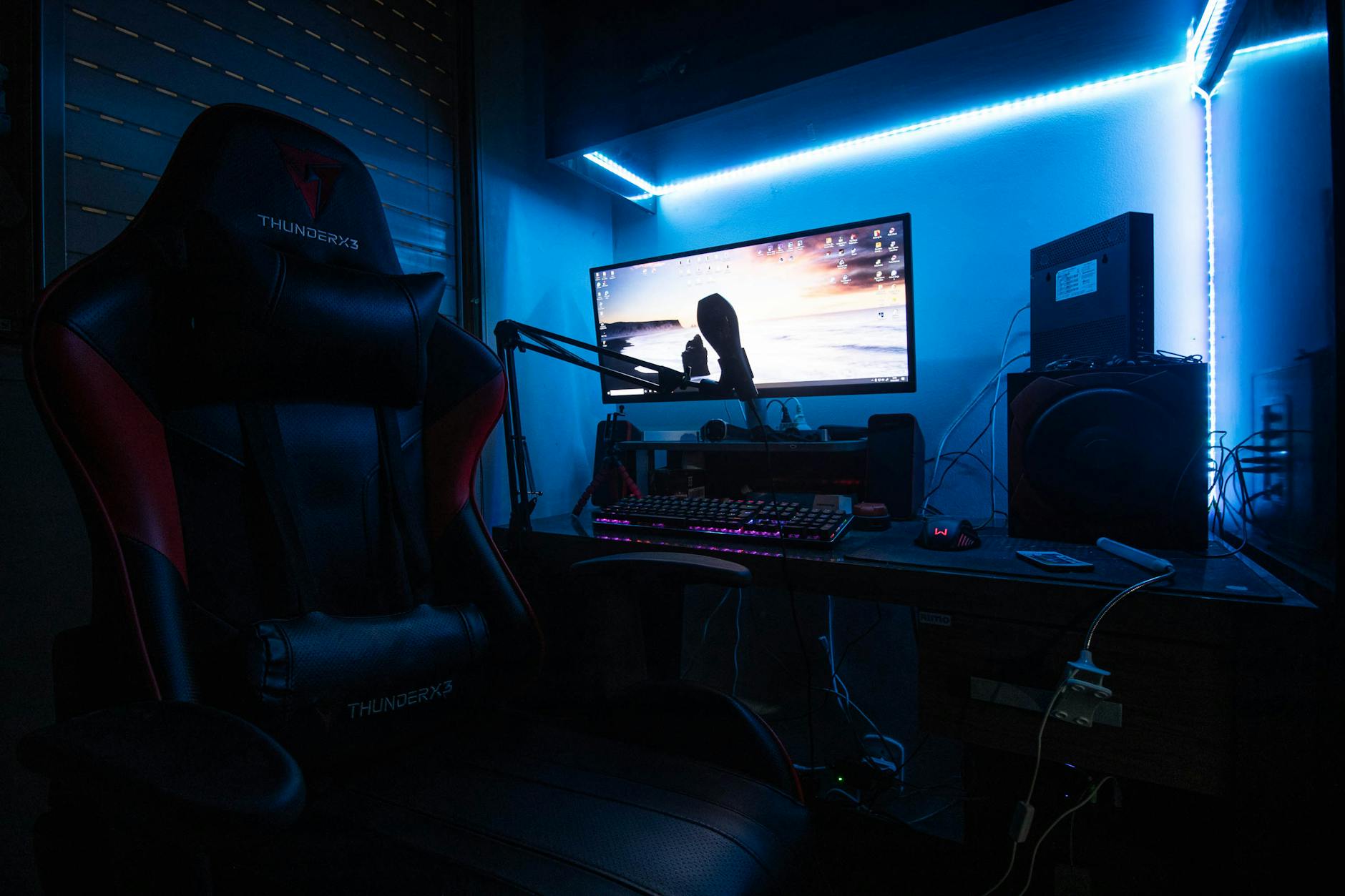

A gaming room is no longer just a corner with a desk and a computer. For many players, it is a personal studio, a competitive arena, and sometimes even a streaming stage. Every detail matters — the chair, the desk, the monitors — but lighting often determines whether the room feels immersive or ordinary.
Light shapes perception. It influences how colors appear on the walls, how the equipment looks on camera, and how comfortable your eyes remain during long sessions. A poorly lit gaming room can feel flat and tiring. A thoughtfully illuminated one gains depth, energy, and personality.
Choosing the right lamp for such a space requires more than picking the brightest option. The decision involves style, technology, ergonomics, and atmosphere. Modern gaming rooms demand lighting that performs well and looks impressive at the same time.
Modern Lighting – Clean Lines and Functional Design
Modern lamps are characterized by minimalism, geometric shapes, and practical features. They often use slim LED panels, matte finishes, and adjustable arms that blend seamlessly with contemporary gaming setups.
These fixtures are ideal for players who prefer a clean, organized look. A sleek desk lamp with a thin metal structure complements dual monitors and mechanical keyboards without dominating the visual field.
Key advantages of modern lamps include:
- Subtle aesthetics
- Efficient LED integration
- Adjustable brightness
- Space-saving designs
Modern lighting works particularly well in rooms with monochrome color palettes — black, grey, white — where simplicity enhances the technological feel of the environment.
Designer Lamps – When Lighting Becomes a Statement Piece
Designer lamps go beyond functionality. They are meant to attract attention. In a gaming room, they can act as focal points that elevate the entire interior.
A sculptural floor lamp with an angular frame, a bold pendant suspended above the desk, or an asymmetrical wall fixture can instantly transform the space. For streamers, such elements often become recognizable features in the background.
Browsing curated lighting collections, such as those available at zFabryki, reveals how diverse designer lamps can be — from industrial metal constructions to futuristic LED shapes.
However, balance remains essential. A striking lamp should complement the setup, not compete with the glowing PC case or RGB keyboard.
LED Lighting – Efficiency and Flexibility
LED technology dominates gaming rooms for good reason. It offers energy efficiency, longevity, and remarkable versatility. LED strips, panels, and integrated fixtures allow creative freedom that traditional bulbs cannot match.
Benefits of LED lighting include:
- Low energy consumption
- Long lifespan
- Minimal heat emission
- Adjustable brightness and color temperature
In a gaming room, heat management is crucial. Computers and consoles already generate warmth. LED lamps help avoid additional temperature buildup.
LED strips placed behind desks or shelves create a floating effect. Backlighting monitors with neutral LED light reduces eye strain by balancing contrast between the screen and the room.
RGB Lighting – Atmosphere with Control
RGB lighting has become almost synonymous with gaming culture. It offers the ability to shift between colors depending on mood or gameplay. Deep blue for strategy games, red for intense action, soft purple for late-night sessions.
Yet RGB requires moderation. Excessive brightness or constant color changes can distract and tire the eyes.
To use RGB effectively:
- Keep it as accent lighting
- Avoid flashing or rapidly changing effects during competitive play
- Combine with neutral base lighting
- Adjust brightness to a comfortable level
Smart RGB systems allow scene presets. One mode can focus on performance with cooler tones, another on relaxation with warmer hues.
Task Lighting – Protecting Eyes During Long Sessions
Regardless of style, every gaming room needs practical task lighting. This usually means a desk lamp positioned carefully to avoid glare.
Proper placement includes:
- Slightly above eye level
- Positioned to the side of the dominant hand
- Directed toward the desk, not the monitor
Task lighting should offer adjustable brightness. Neutral white light (around 4000K) often works best for competitive gaming because it supports alertness without harshness.
Working or studying in the same room also requires focused illumination. A flexible desk lamp ensures clarity when reading or writing.
Indirect and Ambient Lighting – Creating Depth
Indirect lighting adds dimension. Floor lamps placed in corners can bounce light off walls, softening the contrast between the bright monitor and darker surroundings.
Wall-mounted fixtures or concealed LED strips under desks enhance spatial perception. This layered approach prevents the room from feeling flat.
Consider this simple lighting structure:
| Layer | Purpose | Example |
| Ambient | Overall brightness | Ceiling or floor lamp |
| Task | Desk illumination | Adjustable desk lamp |
| Accent | Mood and design | RGB strips or designer wall light |
Combining these layers creates a balanced environment suitable for both gaming and relaxation.
Matching Lighting Style with Interior Theme
A cohesive design enhances the visual impact of a gaming room. Industrial interiors benefit from metal-framed lamps with exposed bulbs. Futuristic spaces look better with angular LED panels and illuminated shapes.
Minimalist rooms often rely on subtle lighting integrated into furniture or walls. Bold setups can support statement fixtures without overwhelming the space.
When selecting lamps, consider:
- Wall color
- Desk material
- PC case lighting
- Decorative elements
Consistency makes the room feel intentional rather than improvised.
Smart Lighting Systems – Technology Meets Convenience
Modern gaming rooms often incorporate smart home technology. Lighting can be integrated with apps, voice assistants, or even synchronized with gameplay.
Advantages include:
- Instant scene changes
- Automated dimming
- Remote control
- Scheduled lighting adjustments
Smart systems allow adaptation to time of day. Cooler tones in the morning, warmer light at night — all without manual adjustment.
For gamers who stream, smart lighting ensures consistent background appearance, improving video quality.
Durability and Practical Considerations
A gaming room is a dynamic environment. Chairs move, controllers shift, desks vibrate slightly during intense gameplay. Lamps must be stable and well-built.
Weighted bases prevent tipping. Adjustable arms should remain firm over time. Materials like aluminum or steel offer durability without excessive bulk.
Energy efficiency also plays a long-term role. LED lamps reduce electricity costs and require fewer replacements.
Creating a Gaming Room That Feels Immersive and Comfortable
Choosing between modern, designer, LED, or other lamp types depends on personal style and practical needs. The most effective gaming rooms combine aesthetics with performance.
Good lighting:
- Reduces eye strain
- Enhances immersion
- Highlights design features
- Supports long sessions
A carefully selected lamp does more than illuminate the space. It defines the atmosphere, frames the gaming setup, and contributes to comfort. Whether minimalist and modern or bold and artistic, the right lighting transforms a simple room into a dynamic environment built for focus, creativity, and unforgettable gameplay moments.