

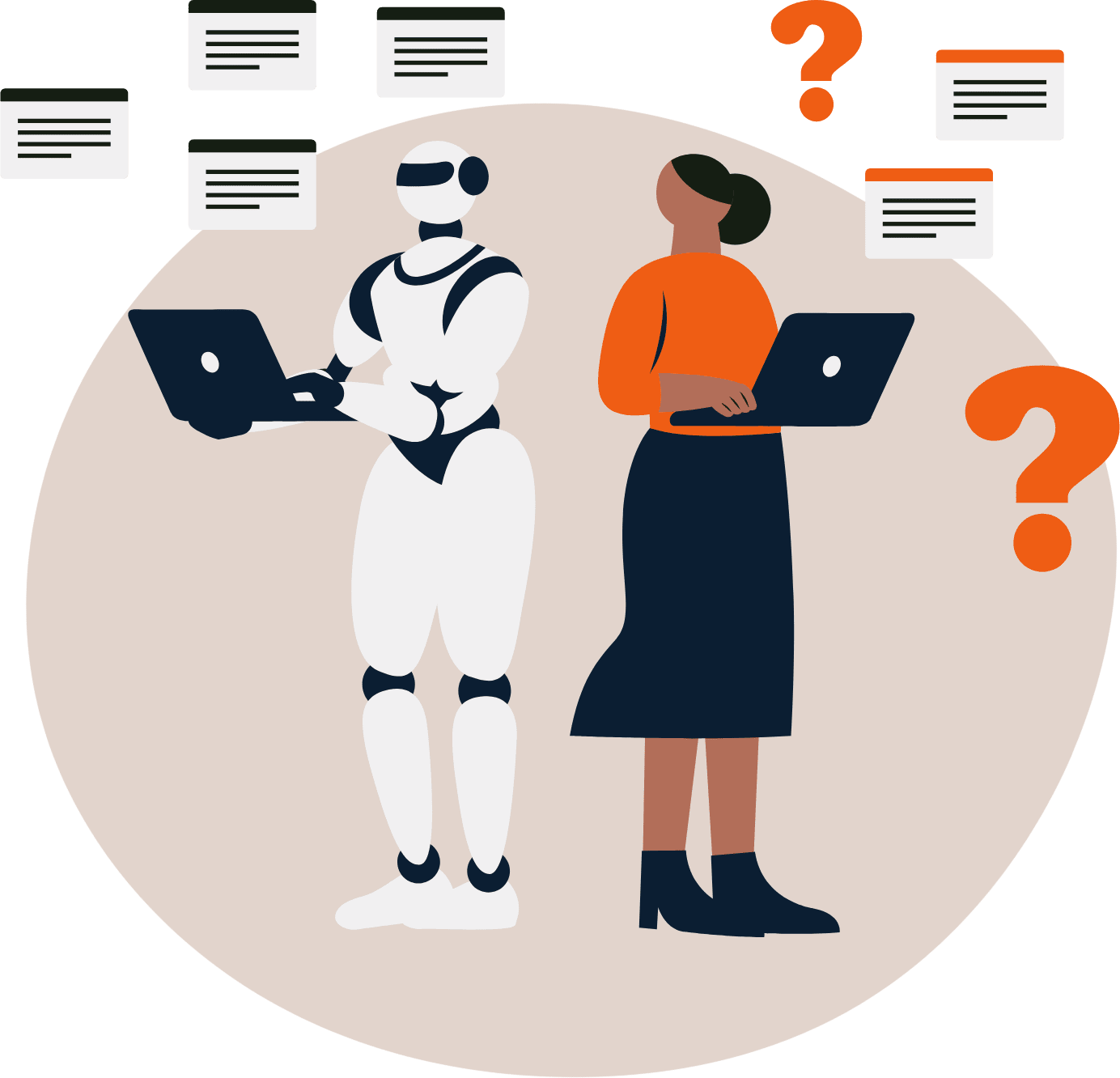

Book writing has traditionally been a slow and mentally demanding process. Authors were required to manage ideation, structure, drafting, editing, and revision largely on their own. While digital tools improved formatting and publishing, the core challenge—writing the manuscript—remained unchanged. The emergence of the AI Book Writer marks the first real shift in how books are created.
An AI Book Writer is not simply a faster typing tool. It is an intelligent system designed to assist with long-form writing, coherence, and structure, allowing authors to focus on ideas rather than mechanics.
What Is an AI Book Writer?
An AI Book Writer is a specialized application powered by artificial intelligence and natural language processing that supports the creation of full-length books. Unlike generic AI content tools, it is built specifically for long-form workflows such as:
- Book outlining
- Chapter-by-chapter drafting
- Maintaining narrative or logical consistency
- Iterative rewriting and expansion
Platforms inspired by solutions like Manuscripts.ai prioritize manuscript-level continuity rather than isolated content generation.
How AI Changes the Writing Process
Traditional writing is linear: start at chapter one and progress sequentially. AI introduces a modular approach. Authors can write chapters out of order, rewrite sections instantly, and refine tone without disrupting the entire manuscript.
This flexibility allows authors to:
- Overcome writer’s block more easily
- Maintain consistent tone across chapters
- Revise without losing momentum
The result is a more adaptive and less mentally exhausting writing experience.
Productivity Without Creative Loss
One of the biggest misconceptions is that AI removes creativity. In practice, AI removes friction. Authors still decide:
- What ideas to include
- What arguments to make
- What voice and perspective to adopt
AI simply accelerates execution. The author remains the decision-maker; the AI is the assistant.
Limitations Authors Must Understand
AI Book Writers are powerful, but not autonomous. They lack:
- Lived experience
- Emotional intuition
- Independent fact verification
This makes human editing essential. AI-generated drafts must be reviewed for accuracy, originality, and personal voice.
Conclusion
The AI Book Writer is not a shortcut to authorship; it is a productivity framework. Authors who use it strategically will publish faster, more consistently, and with greater structural quality—while retaining full creative ownership.